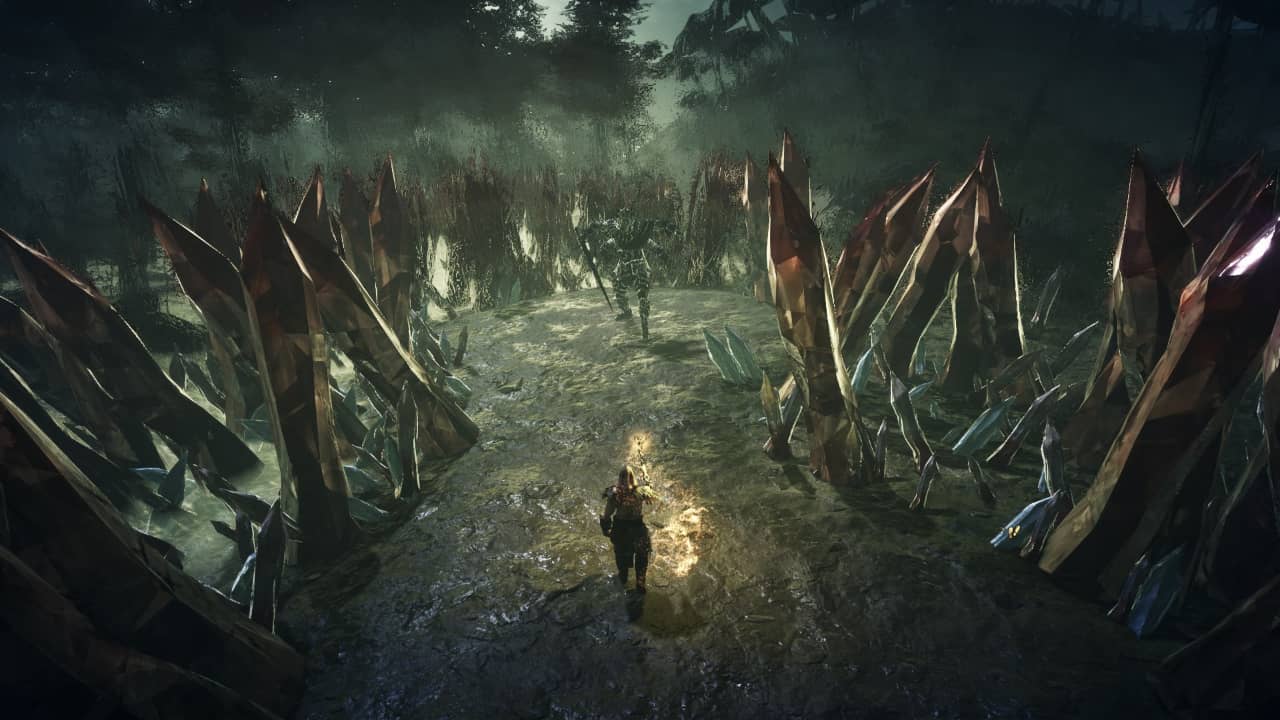
Tainted Grail Conquest is another Avalon-themed tale, only this sides more on dark fantasy than most. Not that the abominations in The Hand Of Merlin are chums with Barney and his friends, but here everything is much… darker.
The Wyrdness has consumed the land, and you, the chosen one, were rescued by a goat-like creature that puts you between life and death. What does this mean? It essentially means you’ll die quite a bit and replay an area until you beat it.
Within the first ten minutes, I’d already forgotten what Tainted Grail Conquest was about. Not that there were walls of text to read through about this faction and that, it just didn’t grab me immediately, other than the Disco Elysium style dialogue scenes, which were brilliant based on the comparison.
It’s a third-person viewpoint where you can click where to go or move with the keyboard. On the mini-map, you’ll see a simple legend of threats, NPCs and points of interest. Regarding the latter, you’ll find milestones, treasure chests and altars that can heal, provide coins and experience ‘random’ encounters.

While it’s unfair to say you’ll be dying every five seconds, death is a regular occurrence in Awaken Realms’ title, but each mortal wounding unleashes just that tiny bit more skill to progress further.
There are no checkpoints or saves – only for the current run. When you die, you lose all your passives, runes and cards you’ve collected, but some of the bonuses are more permanent, such as unlocking slots for your weapons and armour to equip the runes or perhaps retrieving an item that softens enemy attacks.
I ignored the runes for the first half dozen runs as I didn’t feel I needed them, but they merge into more powerful tools to assist you when you collect the same type. This might be increasing your damage stats or healing after each battle. In the later game, they’re essential.
Naturally, the deck-building aspect is as successful as the cards you collect. By completing mini-quests or general battles, it’s possible to pick from one of three cards (you can duplicate your favourites), as well as gain passives. These are typically random in Tainted Grail Conquest, but as mentioned, if a card you regularly use comes up again, you can opt to equip it to improve the probability of it appearing.
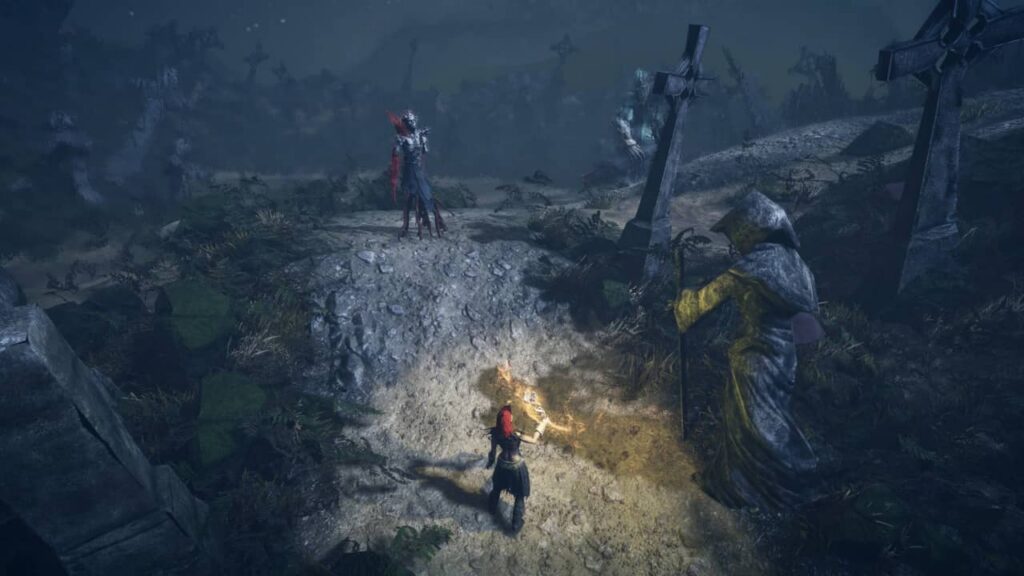
The basics when it comes to cards are offensive and defensive. Depending on your character class, some play out better as support – the Summoner, for example, doesn’t have any direct attacks and instead summons missions that you activate to fulfil an action. This might be a direct attack, regenerate a defensive golem, or debuff an enemy’s attack power or lower their armour.
While you’re bound to have your favourite class – a melee tank type or hard-hitting ranged character, they all play out differently and have unique cards and traits. One example of that is the Sentinel, an archer that gets lots of opportunities for repeat attacks. The caveat is that they have low health, so you have to balance out the strategy by stacking armour and barriers.
Unless you have the proper runes or spells, restoration options are limited other than health potions you can equip, as well as a few other consumables in battle. Armour will typically last a turn and reset, as will magical barriers that add an extra buffer, though some decent quality cards will allow for them to stack a few extra turns and keep you alive.

Initially, Tainted Grail Conquest was quite hard going as the starting class, Wyrdhunter isn’t that great to start with, in my opinion. Their traits are perfect as they’re a hard-hitter, but it wasn’t until playing the Summoner that I was able to play a more defensive game and level up.
For each battle you win, your level will increase, unlocking new cards, runes and consumables. After each run, your performance is assessed and added to the pool to unlock even more cards and new classes. Don’t expect to unlock all the classes in one sitting, as it’s hard graft, but as is the nature of these games, the further you progress, the better it becomes.
Tainted Grail Conquest didn’t grab me by the cojones immediately. Still, after a few runs, it became much more enjoyable – perhaps even addictive, like the similar deck-building game, Doors of Insanity – albeit more serious.
The artwork is brilliant. From a healthy selection of warrior classes to choose from – all with body mods and interchangeable outfits (read customisations), all the way to the enemy units; the character designs are an absolute treat.
You could say that this hellish Avalon representation in Tainted Grail Conquest was design by the likes of Todd McFarlane with a hint of Clive Barker. It’s not scary but beautifully grotesque. With the narrative interjections here and there, it makes for an interesting tale, but the selling point is the satisfying gameplay.
A typical rogue-like; expect plenty of runs in Tainted Grail Conquest, but with that, expect a healthy amount of progression, too, as the rewards outweigh the tribulations. The biggest prize of all, though, is the gameplay and the flexibility in choosing a truly unique class that best suits your style of play.