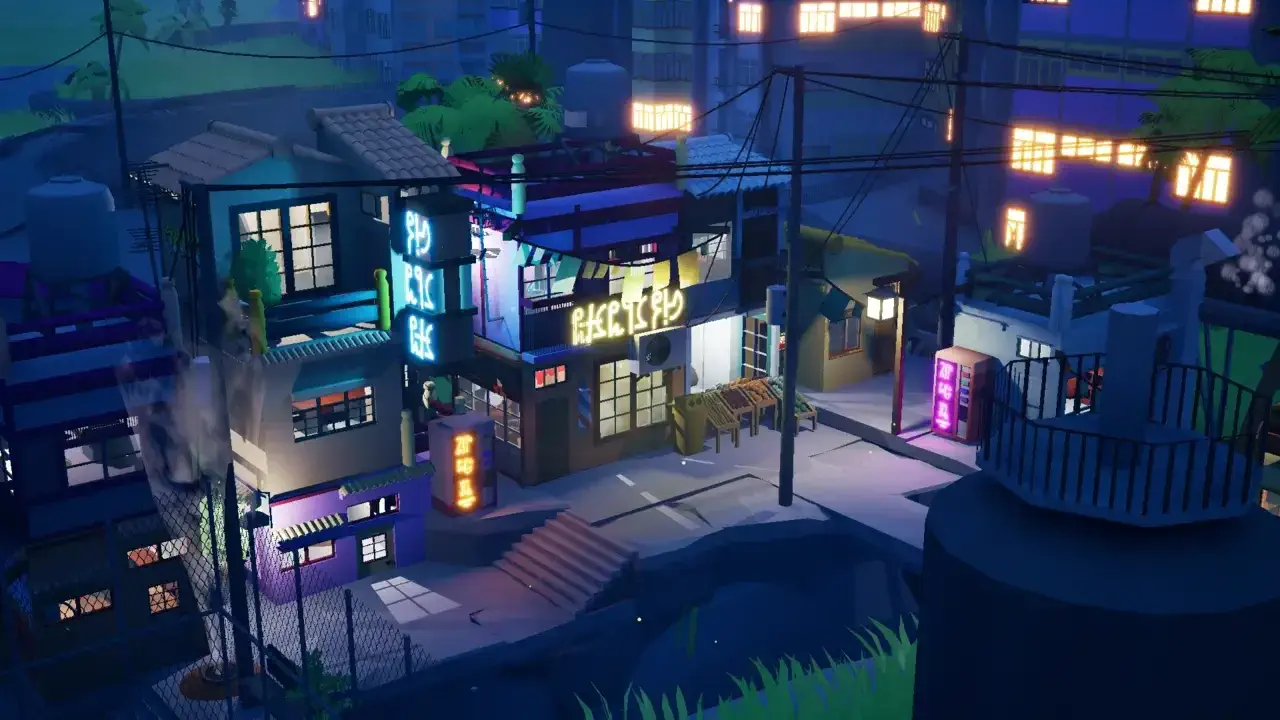
The issue with relaxing city builders these days is that there’s not enough motivation to push through. Sure, they look good, reduce your stress levels, and you’re playing God without having any blue-haired, bull-nosed angry types in your garden with signs saying, “Taxes are high! My God’s better than your God, and change that music you’re listening to.I don’t like it!” ShantyTown lets you play God, and it’s unlikely the citizens will complain.
I personally love the freedom these sandboxes provide, like SUMMERHOUSE, Townscaper, and the more recent Treeplanter: Plant real trees, though they all share the same limitation that rests on the player: your imagination (and occasionally, whether you have the time to be so creative). We complain about the lack of freedom in a game, but there needs to be a balance and being loosely told what to do is a much-needed thing in this lil’ city builder.
ShantyTown immediately changes things up by offering a slight narrative thread. You play the role of a surveyor, and your somewhat oppressive employers are making you go through and survey the local area, or you may be on the receiving end of a P45. 20 locations are your objective, and the way it’s told is that you’re making use of space and fulfilling expectations. With that in mind, there are no cutscenes or dialogues besides the opening bit, which is brief in itself. The pace is ideal, and we don’t want any further distractions – let us create!
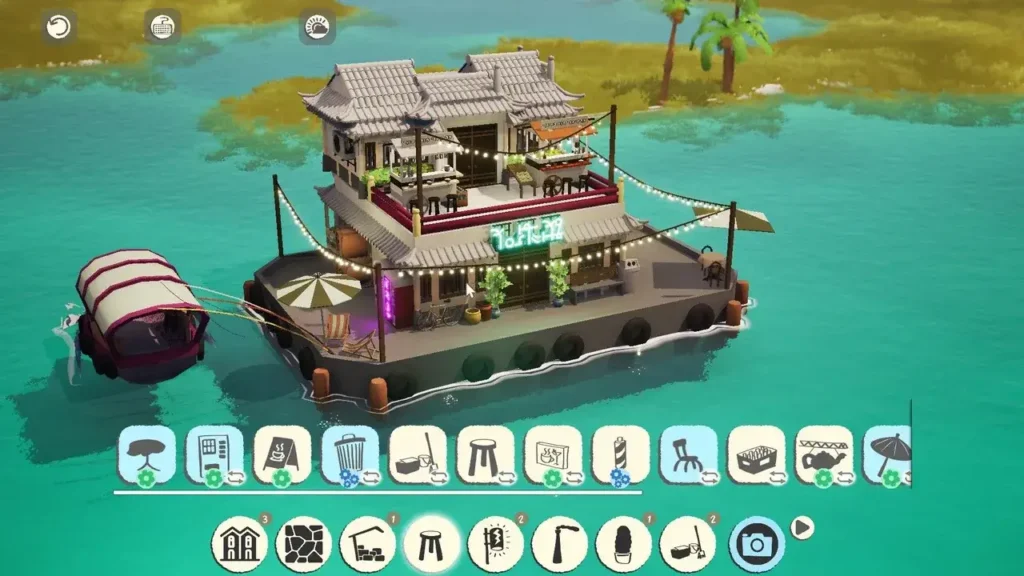
After arriving at a local jetty, your first job is to build two structures before you can move on. This introduction is probably the most challenging hurdle, more so if you’re playing on the Steam Deck. Anyone in the know about shanty towns is that it’s not about feng shui or applying that diploma you got in interior design, that’s never amounted to anything. Space is critical, and it’s apparent that the structures will overlap the allocated plots. How on Earth are you going to build this thing? This is where the magic happens: the stack.
Nothing related to speakers or burgers, the stack approach means piling one house on the next. Who doesn’t like corrugated sheet metal dangling over their cutaway window when the Joneses upstairs move in with four walls made of biscuits and a ceiling made of promises? While shanty towns are quite fascinating, the overall vibe they bring is poverty and not-so-nice stuff. However, ShantyTown is beautiful. I cannot express how gorgeous these little dioramas look as you add more and more layers. And that is the real beauty of this game: the feeling of progress. The theme is simple: fit the allocated structures into the designated space and make it work. Design isn’t looks, it’s function, and those lazy days of games like Unpacking or Hozy, where you chuck something anywhere just to unlock the next bit, don’t work here.
Instead, there are needs for each building. There aren’t any currency or resources to worry about, but parts will be awarded as you place them before. It’s far from Tetris. The core buildings are where you should start, as they take up the most area. Elements can be rotated and, on occasion, will have an alternative version that might be an L-shaped structure or a basic cube. You’ll frequently swing the camera about to see the best way to place it without being a perfectionist or seeking symmetry, but forward-thinking in preparation for the next thing. Doors and windows unlock, as well as power supplies and lighting, and with each placement is an area of connectivity. The more structures you connect, the more effective it will be to award new decor and complete objectives. Additionally, new objects carry over to the creative mode.
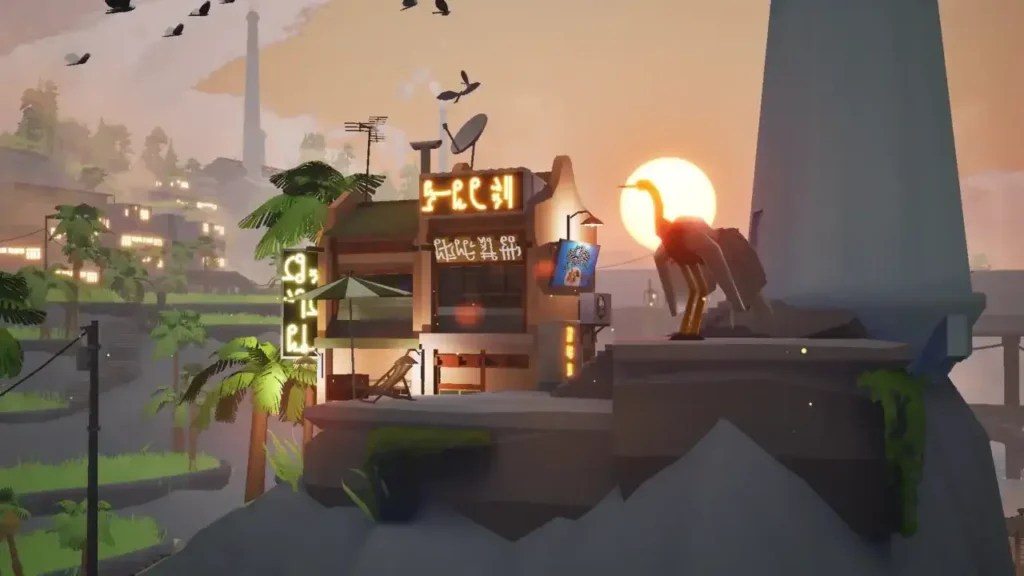
For example, after linking an antenna, external fan, bench and lighting to one building, it may upgrade and award some signage. I soon slapped this across one building that connected to the next, unlocking yet another object. Best of all, it looked cool! Think Bladerunner without all the doom and gloom. If you do want that, you can change the weather and day cycle on the fly, and it looks the business. What I liked most about ShantyTown, however, was the freedom that was directed. There has to be purpose in your placements, and you can’t rush; otherwise, you’ll balls up the next bit. Mind you, there aren’t fails in this game, though you can miss objectives, which is easily resolved by replaying. After you’ve placed everything, you take a photo of the evidence to show your boss, then move on to the next one. You can also walk around from a first-person perspective.
ShantyTown was a real chance encounter at the Kinephantom Games, which reached out offering me residency. Do I want to live in a shanty town? Hell, no. Do I want to spend my weekend designing in ShantyTown? Hell, yes. This is definitely one of my favourite casual city builders of late. I don’t recommend playing it on the Steam Deck, though. It does work with minimal coughing and spluttering, but the action button for placement doesn’t work so well and needs some fumbling with the touchscreen. Additionally, you won’t get to see all the nooks and crannies you create and witness all the gorgeous details on offer. Honestly, an easy recommendation and time-permitting, this will be my go-to for the creative cosy factor vibes.