
1666: Amsterdam First Impressions: Witchcraft, Talking Cats, and Assassin’s Creed DNA
Things are going down in Amsterdam!
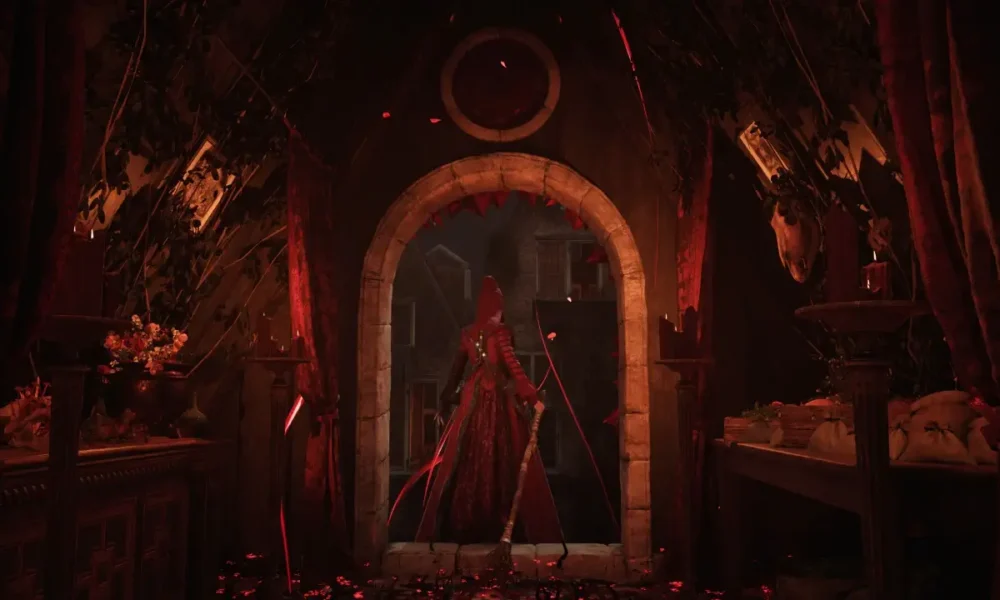
The fourth thing that went through my head when playing 1666: Amsterdam was: isn’t this Assassin’s Creed? Not an unusual comparison, given that Patrice Désilets of Panache Digital Games was the Creative Director for the first few games.
The other three things that crossed my mind? These are stunning cinematics; the main protagonist has a wonderful name – the name I gave to my eldest daughter, and she’s kept it – and the third: why are reviews on Steam so mixed? I didn’t look until after playing.
Before all that, here’s a summary. 1666: Amsterdam follows a witch named Noa the Collector who must clear the world of ancient entities called the Originals. The story is actually a little full-on at first, and I was drifting out at times. Essentially, these entities have abused their power, and Noa needs to sort them out.
She has quite the following, the Zaindaris, and they’ll sacrifice themselves for Noa to fulfil her destiny. Yet she can’t do that alone. Flip 1666 upside down and jump to 1999, and we meet Aaron and a very cool introduction through a hotel with a decent soundtrack (and again later with none other than Lynyrd Skynyrd).
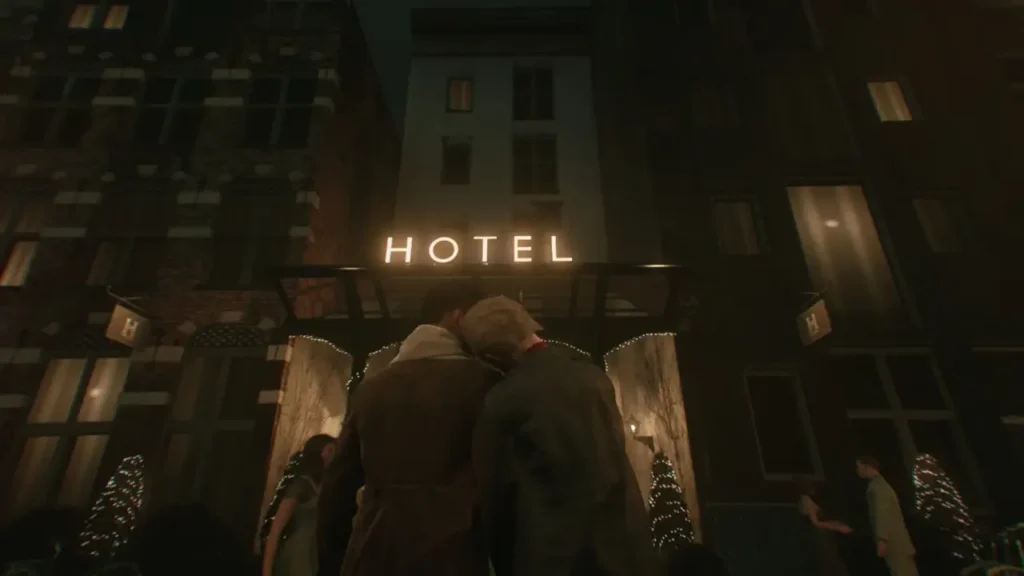
Aaron is about to get his end away, more weird as this memory is being played through his daughter, Clio, who is in the present day (still with me?) and learning about this through her own ‘gift’. Then, Aaron is turned into a cat, which links up to Noa’s intro, and you’re now completely confused.
Staff Swings and Water Glides
Don’t worry, 1666: Amsterdam is indeed mental, and the number of jump cuts, over-stylised cinematics and dialogue you can walk through will make anyone agree with that ADHD diagnosis. Yet… it works.
The pair then help one another, with Noa shifting between Scarlet Witch and apothecary’s apprentice by day. In witch mode, Noa gets visceral and not afraid to fight with her staff; she can cast spells and see things others can’t – even better, she can glide across the water.
With Aaron the cat, he can reach areas Noa can’t and unlatch doors for easy access, cause distractions, help with defeating the Originals, and even possess humans. So, not such a bad job. He didn’t know he was getting into this role, but pairing with Noa seals the fate of humanity.
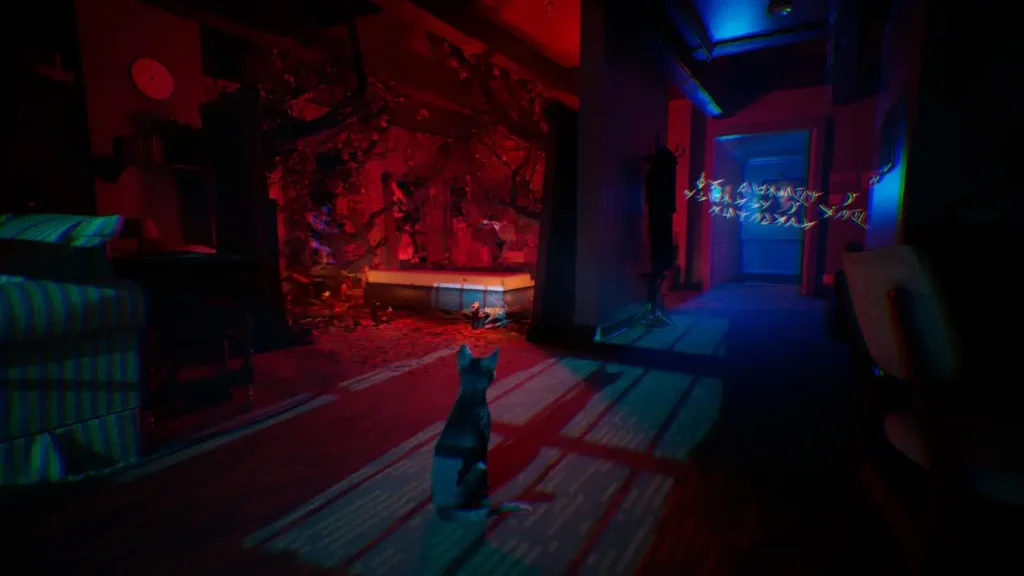
So, first impressions of 1666: Amsterdam was super stylish and very cinematic indeed. It does outstay its welcome, though, and I found the constant effects disruptive. Combat is really basic, and interactions with objects are quite dull, though I still liked it.
You’re Breaking Up
Like the Assassin’s Creed games, the world-building is excellent, and though there’s the obvious lineage, it plays differently, and the story is decent, if slightly convoluted with the shifting timelines and Clio serving as a spiritual successor to Desmond Miles. I hate that guy.
One of the key reasons that 1666: Amsterdam had such mixed reviews was predominantly a backlash against AI imagery without initially declaring this to players. Personally, I don’t care, but spend a few minutes on Steam before the comments, and the declarations of AI usage are prevalent. People don’t like it.
Irrespective of my experience with AI, I was actually very disappointed with the number of technical issues – in particular, the sound. With the number of visual effects, I’d thought they’d applied it when Noa speaks to make her ethereal, though when other characters spoke in echoed, clipped and distorted tones, I realised it was struggling a bit.
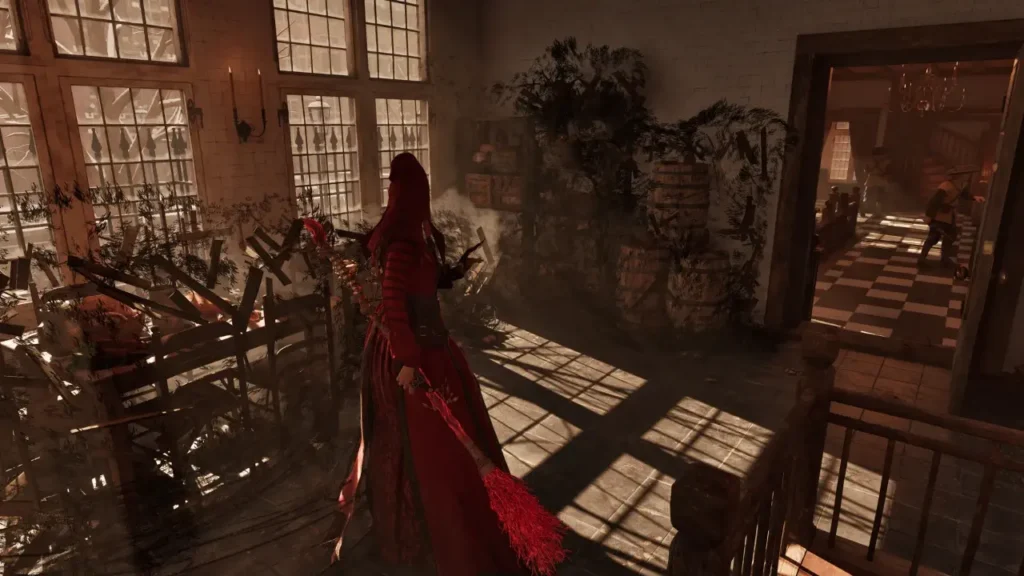
The sound was consistently failing, and the frame drops were also dropping the ball and inconsistent – even with adjusted settings. I also had a couple of NPCs walk straight through buildings during fight scenes, unscathed and indifferent to the witch floating in combat.
The Road Ahead
Yet I still really enjoyed 1666: Amsterdam. Perhaps more than the Assassin’s Creed series, which feels so stale that they have to reboot the good ones. The emphasis point is this is Early Access. There will be things to iron out, and for me, it’s the technical side.
Should Panache Digital Games fix these issues and replace the AI art they said they would (for the benefit of those who kicked up about it), I think they’re onto something here. The story, while confusing (though that could be the editing and effects), is really interesting, and I really loved exploring Amsterdam without smelling weed or tits in windows.
There isn’t a demo at present, and the price is a bit of a punt considering the flaws. Would I pay that price? I think I would actually. 1666: Amsterdam will improve over the year; I’m confident of that, just as long as they keep their eye on the prize and don’t shift back and forth too much. Bloody Desmond. I hate that guy.

No Comment! Be the first one.